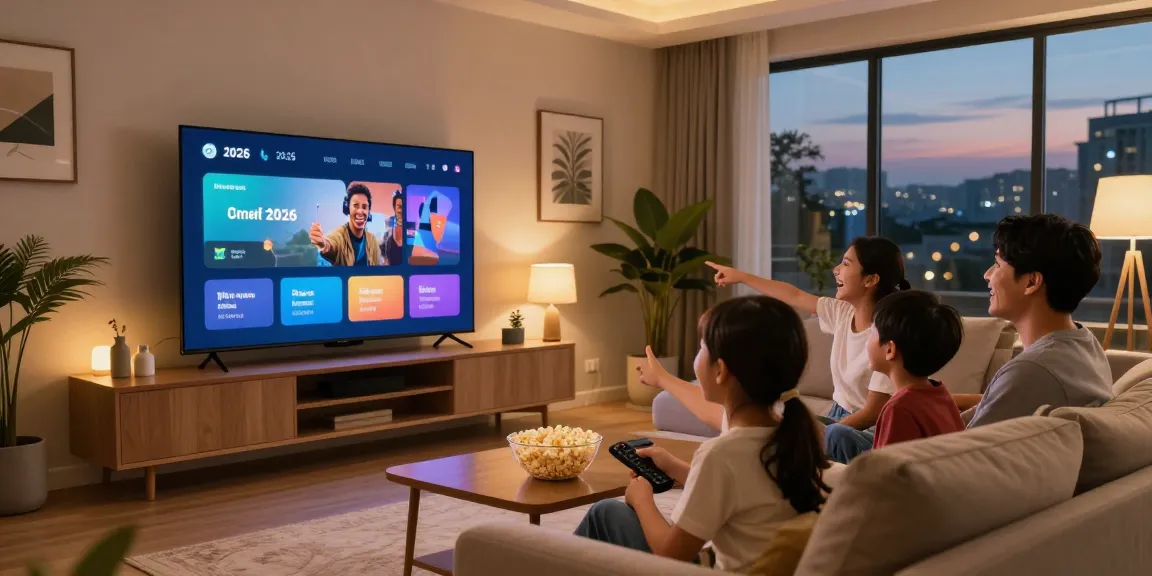
Introduction to OLED TV 2026
As we step into 2026, the world of television technology is evolving at an unprecedented rate, with OLED TVs standing out as a top choice for consumers seeking superior viewing experiences. Organic Light-Emitting Diode (OLED) technology has transformed how we perceive color and contrast in home entertainment, offering vibrant visuals and deeper blacks than traditional LCD panels. This article delves into the features, trends, and top picks for OLED TVs in 2026, ensuring you stay informed and ready to make the best purchasing decisions. For a comprehensive overview, OLED TV 2026 provides insights into the latest advancements and reviews.
What is OLED Technology?
OLED technology utilizes organic compounds that emit light when an electric current is applied, allowing each pixel to produce its own light. Unlike LCD screens that require a backlight, OLED displays can turn off individual pixels completely, resulting in true black levels and enhanced contrast. This capability not only delivers stunning visuals but also increases energy efficiency, making OLED TVs an attractive option for environmentally conscious consumers.
Key Advantages of OLED TVs
- Superior Picture Quality: OLED TVs are renowned for their exceptional color accuracy and contrast ratios, providing an immersive viewing experience.
- Thin and Lightweight Design: The absence of a backlight allows manufacturers to design TVs that are sleek and lightweight, making them easier to mount on walls.
- Wide Viewing Angles: OLED technology maintains color fidelity and brightness levels even when viewed from the side, unlike many LCD screens.
- Fast Response Times: The instantaneous response of OLED pixels reduces motion blur and ghosting, making them ideal for fast-paced content like sports and action films.
Overview of 2026 Trends in OLED
The year 2026 is expected to bring several exciting trends to OLED TV technology. These include enhanced brightness levels, improved color calibration methods, and the introduction of new panel types such as OLED SE—offering even more affordability without compromising on quality. Additionally, connectivity options will evolve, incorporating advanced smart features that facilitate seamless integration with smart home ecosystems.
Top OLED TVs of 2026
As consumers navigate the expanding landscape of OLED options, there are several standout models that cater to different needs and budgets. In this section, we’ll explore the best mid-range, high-end, and budget-friendly OLED televisions available in 2026.
Best Mid-Range OLED Options
- LG C6 OLED: This model strikes the perfect balance between performance and affordability, offering vibrant colors and excellent black levels that elevate the cinematic experience.
- Sony A80J: Known for its superb image processing capabilities, the A80J excels in delivering natural color tones and impressive motion handling.
High-End OLED Models to Consider
- LG G6 OLED: A flagship model that provides stunning visuals, the G6 features an ultra-thin design and advanced AI-enhanced picture quality, making it a top choice for home theater enthusiasts.
- Pansonic Z95A: This high-end model targets audiophiles and videophiles alike with its unparalleled sound quality and color accuracy.
Budget-Friendly OLED Choices
- Vizio 55-OLED: A strong contender for budget-conscious consumers, Vizio’s OLED model provides impressive performance without breaking the bank.
- Hisense A6G: Offering great value for money, the A6G provides satisfactory picture quality and smart features at a low price point.
Innovative Features of 2026 OLED TVs
In 2026, OLED TVs are set to deliver even more innovative features that enhance the overall viewing experience. Here are some key developments to look out for this year.
Enhanced Picture Quality
The introduction of advanced OLED SE panels is set to improve brightness levels significantly, which means HDR content will appear more dynamic than ever. Furthermore, improved color calibration tools will enable users to achieve even more accurate color reproduction.
Smart Features and Connectivity
Smart TV functionalities will continue to dominate the market, with more models integrating voice control, compatibility with smart home devices, and personalized viewing recommendations based on viewing habits. Technologies such as HDMI 2.1 will also become standard, enabling higher bandwidth for better gaming and streaming experiences.
Energy Efficiency Improvements
As energy efficiency remains a growing concern, 2026 OLED TVs will feature improved energy-saving technologies. New models will utilize less power while maintaining high performance, allowing consumers to enjoy their favorite shows without worrying about increasing their energy bills.
Buying Guide for OLED TV 2026
When it comes to purchasing an OLED TV, understanding the various factors to consider can greatly influence your final decision. Here’s a comprehensive buying guide to help you navigate your options.
Factors to Consider When Purchasing
- Screen Size: Assess your viewing distance and room size to determine the appropriate screen size for your needs.
- Picture Quality: Evaluate the panel’s performance in contrast, brightness, and color accuracy. It’s best to see models in person if possible.
- Smart Features: Consider the smart TV capabilities and ensure compatibility with your existing devices.
Best Places to Buy OLED TVs
When looking to purchase an OLED TV, retail giants such as Amazon, Best Buy, and dedicated electronics stores can offer competitive pricing and occasional discounts. Additionally, online platforms may provide user reviews that can be helpful in making informed decisions.
Questions to Ask Before Buying
- What warranty and support services are available?
- Are there any ongoing deals or price match guarantees?
- How does the return policy work if the TV does not meet expectations?
Future of OLED Technology
The future of OLED technology is bright, with continuous innovations and enhancements on the horizon. Here’s what we can expect as we move beyond 2026.
Emerging Trends Beyond 2026
Future OLED models might see the rise of transparent displays, flexible panels, and improved polymer technology, which could lead to even lighter and thinner TV designs. Innovations in quantum dot technology may also be integrated into OLED panels for enhanced color accuracy.
Comparative Advantages Over Other Technologies
OLED continues to hold comparative advantages over alternatives like LCD and microLED due to its superior contrast ratios and true black levels. This technology will likely evolve to meet consumer demand for better performance while ensuring energy efficiency.
Consumer Insights and Expectations
As more consumers opt for OLED TVs, insights reveal a demand for enhanced smart features and seamless connectivity. Users expect not only superior picture quality but also intuitive interfaces that simplify their viewing experience.